World Bank visits Cape Town’s water and sanitation sites
26 March 2025
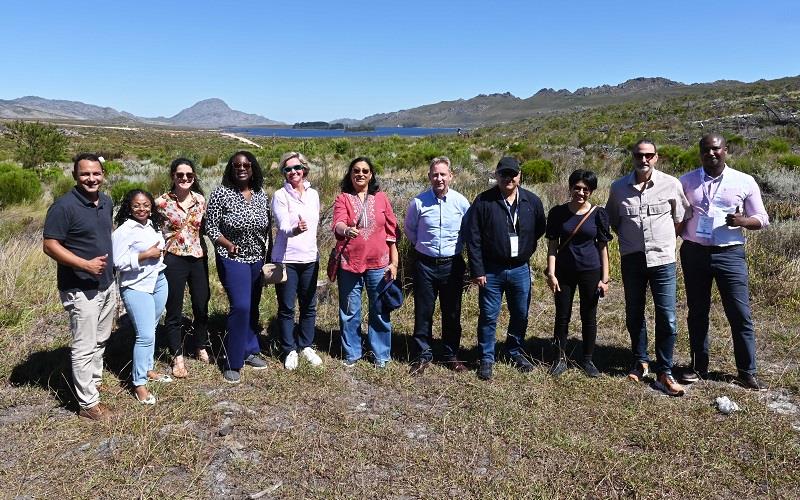
A high-level delegation from the World Bank took time out of the 14th International Water Association (IWA) Conference to visit key water and sanitation facilities in Cape Town. The visit provided an opportunity to explore how the City’s Water and Sanitation Directorate is advancing plans to integrate recycled water into Cape Town’s extensive 12 000 km water network.
Among the visiting representatives from the World Bank were Saroj Kumar Jha, Water Global Director; Satu Kahkonen, Country Director for Southern Africa; Soma Ghosh Moulik, Water Practice Manager Africa and Mike Webster, Program Manager: 2030 Water Resources Group, who previously served as Executive Director of the City’s Water and Sanitation Directorate.
The visit commenced with an engagement session where the Directorate outlined several strategic priorities, including:
The City’s Water Strategy, highlighting the recent upgrades at Zandvliet Wastewater Treatment Works (WWTW) and its link to the planned Faure New Water Scheme.
Water conservation initiatives such as the removal of invasive alien plant species in the Steenbras catchment to enhance water availability.
The Directorate’s funding model to support sustainable water and sanitation infrastructure.
‘Addressing the challenges of water security and resilience requires strong partnerships. The City values its engagement with the World Bank, as their expertise and global experience help us refine our water reuse plans. By working together, we can ensure a sustainable water future for Cape Town,’ said Councillor Zahid Badroodien, the City’s Mayoral Committee Member for Water and Sanitation.
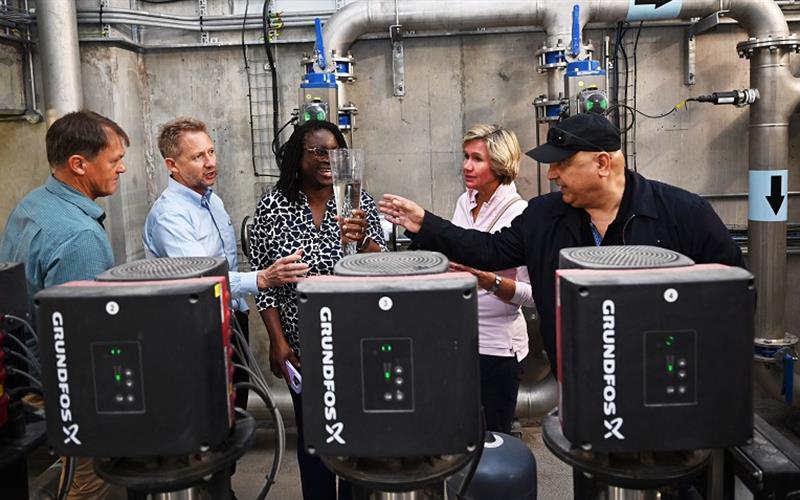
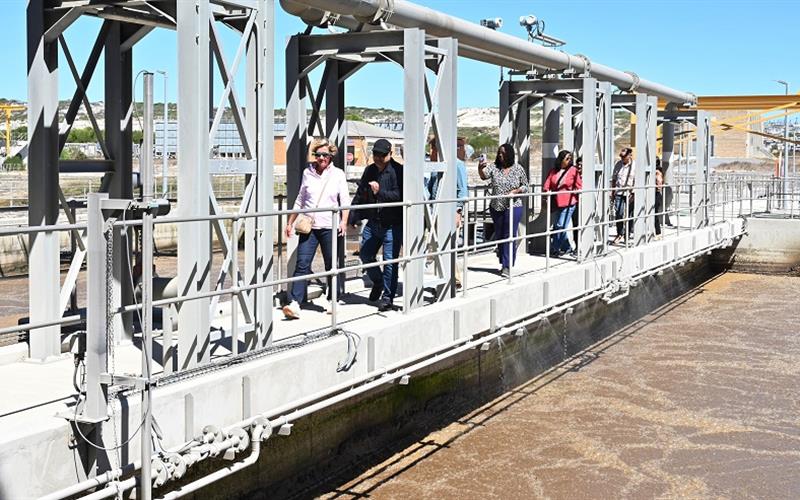
The delegation then proceeded to site visits at key facilities, including Steenbras Dam, Zandvliet WWTW, and Potsdam WWTW, where significant upgrades are under way. The group also visited an innovative sanitation technology pilot project in Masincedane, showcasing efforts to improve sanitation service delivery in informal settlements.
‘We were privileged to see the remarkable progress the City of Cape Town has made in the delivery of water and sanitation. The highlight of the day was the visit to one of South Africa’s largest wastewater treatment works (Zandvliet WWTW). Wastewater reuse is the future for a water insecure country like South Africa. Cape Town is an example of urban water resilience for other cities and municipalities in South Africa and other countries to follow,’ said Satu Kahkonen, World Bank Country Director for Southern Africa.
The World Bank delegation also met with Mayor Geordin Hill-Lewis, Lungelo Mbandazayo, City Manager; Leonardo Manus, Executive Director for Water and Sanitation and Directors responsible for Water and Sanitation to learn more about how Cape Town managed the drought and derive lessons for other cities facing similar challenges. The World Bank team congratulated the Mayor for the extent to which the City has learnt from the drought to build a world-class water utility that is investing in the infrastructure needed to withstand future droughts through revenues raised from customers while ensuring services are delivered efficiently.
The City remains committed to strengthening its collaboration with the World Bank to advance water reuse and sustainable water management in Cape Town.
End
Published by:
City of Cape Town, Media Office